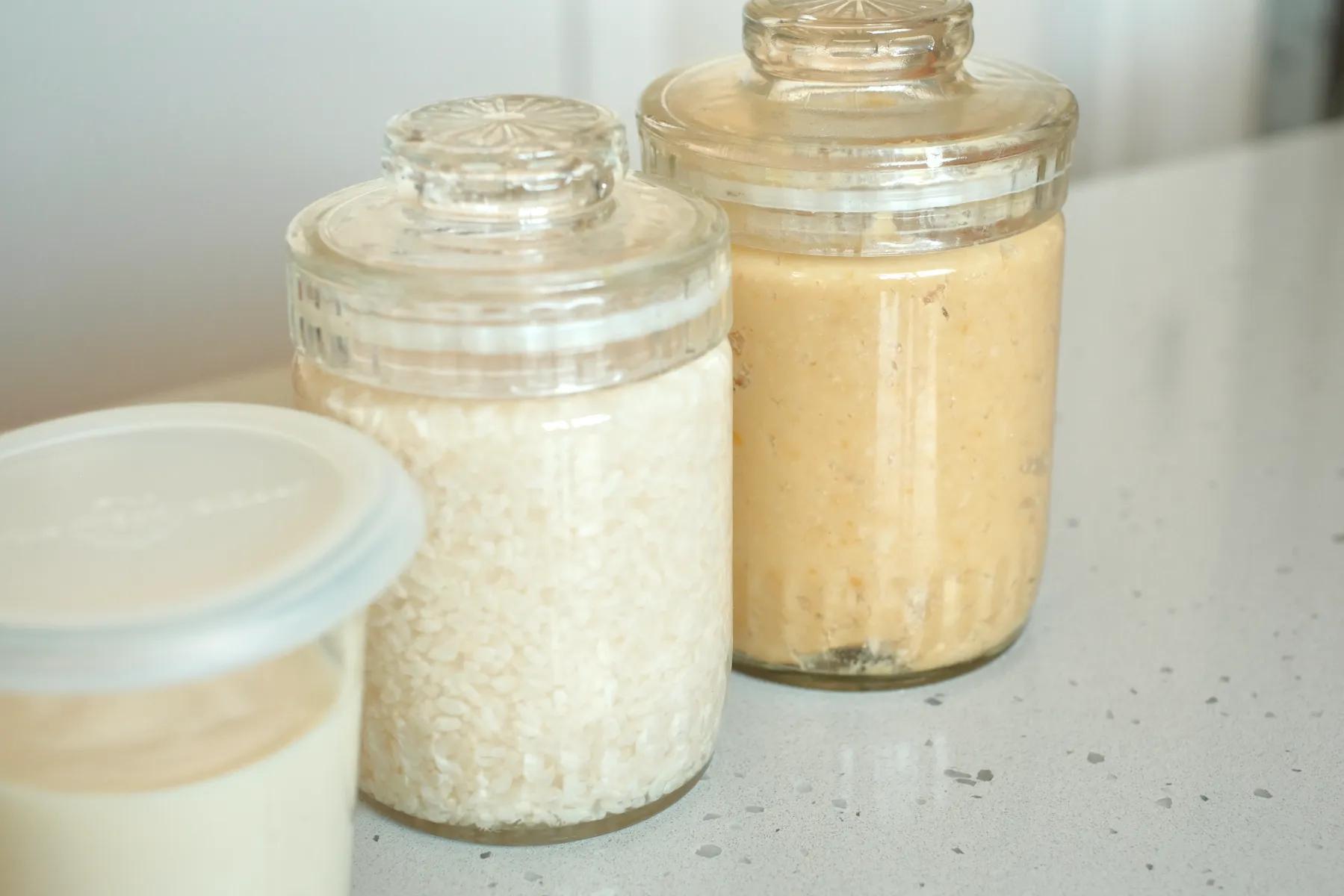
OUR HOMEMADE INGREDIENTS
OUR HOMEMADE INGREDIENTS

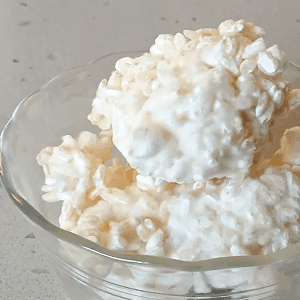
Rice koji
Rice koji has been used in Japanese food for centuries to make miso, soy sauce, sake and mirin, etc. It is made of cooked rice that has been cultured with a fungus (Aspergillus oryzae). During the fermentation process, the fungus releases the key enzymes Amylase and Protease. Amylase transforms starch into natural sweetness while Protease decomposes proteins into amino acids, which creates Umami. Koji offers health benefits as a rich source of probiotics, supporting gut health and nutrient absorption.
Rice koji
Rice koji has been used in Japanese food for centuries to make miso, soy sauce, sake and mirin, etc. It is made of cooked rice that has been cultured with a fungus (Aspergillus oryzae). During the fermentation process, the fungus releases the key enzymes Amylase and Protease. Amylase transforms starch into natural sweetness while Protease decomposes proteins into amino acids, which creates Umami. Koji offers health benefits as a rich source of probiotics, supporting gut health and nutrient absorption.
Rice koji
Rice koji has been used in Japanese food for centuries to make miso, soy sauce, sake and mirin, etc. It is made of cooked rice that has been cultured with a fungus (Aspergillus oryzae). During the fermentation process, the fungus releases the key enzymes Amylase and Protease. Amylase transforms starch into natural sweetness while Protease decomposes proteins into amino acids, which creates Umami. Koji offers health benefits as a rich source of probiotics, supporting gut health and nutrient absorption.
Salt koji
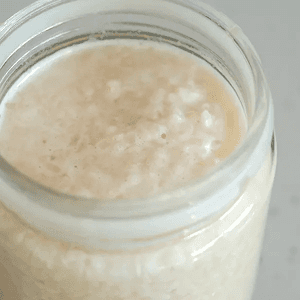
Salt koji is made from salt and rice koji. It is frequently used to marinate a protein (meat, fish, tofu, etc.) or used in place of salt. In addition to providing saltiness, it enhances the depth of flavour of the food.
Salt koji
Salt koji is made from salt and rice koji. It is frequently used to marinate a protein (meat, fish, tofu, etc.) or used in place of salt. In addition to providing saltiness, it enhances the depth of flavour of the food.
Salt koji
Salt koji is made from salt and rice koji. It is frequently used to marinate a protein (meat, fish, tofu, etc.) or used in place of salt. In addition to providing saltiness, it enhances the depth of flavour of the food.
Miso
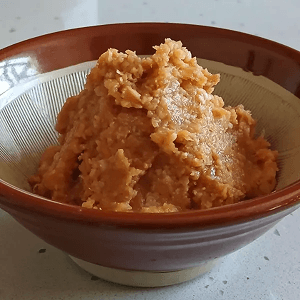
Miso is a traditional Japanese seasoning produced by fermenting soybeans (we often use chickpeas as well) with salt and koji. It is used for sauces and pickling vegetables, fish, or meats and mixing with dashi soup stock to serve as miso soup. Miso is very nutritious and linked to a variety of health benefits, including better digestion and a stronger immune system.
Miso
Miso is a traditional Japanese seasoning produced by fermenting soybeans (we often use chickpeas as well) with salt and koji. It is used for sauces and pickling vegetables, fish, or meats and mixing with dashi soup stock to serve as miso soup. Miso is very nutritious and linked to a variety of health benefits, including better digestion and a stronger immune system.
Miso
Miso is a traditional Japanese seasoning produced by fermenting soybeans (we often use chickpeas as well) with salt and koji. It is used for sauces and pickling vegetables, fish, or meats and mixing with dashi soup stock to serve as miso soup. Miso is very nutritious and linked to a variety of health benefits, including better digestion and a stronger immune system.
Amazake
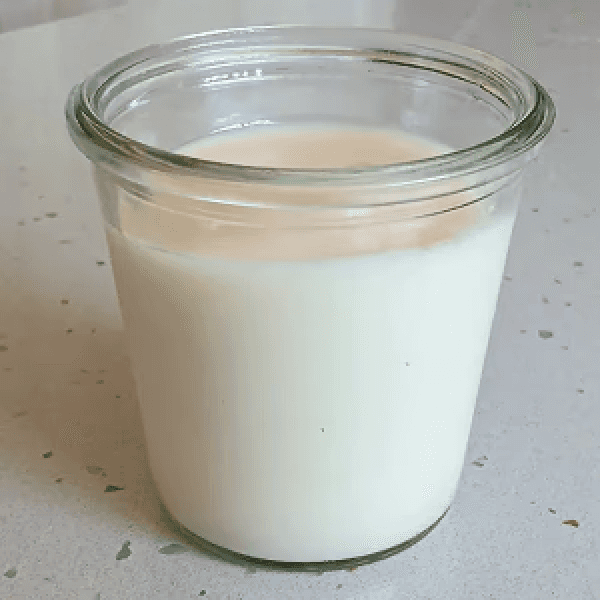
There are two types of Amazake, an alcoholic variety made with sake lees (a nutritious by-product of sake), and a non-alcoholic variety made with rice koji and steamed rice. We make non-alcoholic amazake and use it for cooking as well as making drinks. During fermentation the enzyme in rice koji dissolves the starch in the steamed rice and transforms it into sugar. Amazake has plenty of nutritional value including vitamins B1, B2, and B6, folic acid, ferulic acid, dietary fibre, glutamine and glucose. There are lots of health benefits such as improved skin health, improved metabolism, better fatigue recovery, improved digestion and a strengthened immune system.
Amazake
There are two types of Amazake, an alcoholic variety made with sake lees (a nutritious by-product of sake), and a non-alcoholic variety made with rice koji and steamed rice. We make non-alcoholic amazake and use it for cooking as well as making drinks. During fermentation the enzyme in rice koji dissolves the starch in the steamed rice and transforms it into sugar. Amazake has plenty of nutritional value including vitamins B1, B2, and B6, folic acid, ferulic acid, dietary fibre, glutamine and glucose. There are lots of health benefits such as improved skin health, improved metabolism, better fatigue recovery, improved digestion and a strengthened immune system.
Amazake
There are two types of Amazake, an alcoholic variety made with sake lees (a nutritious by-product of sake), and a non-alcoholic variety made with rice koji and steamed rice. We make non-alcoholic amazake and use it for cooking as well as making drinks. During fermentation the enzyme in rice koji dissolves the starch in the steamed rice and transforms it into sugar. Amazake has plenty of nutritional value including vitamins B1, B2, and B6, folic acid, ferulic acid, dietary fibre, glutamine and glucose. There are lots of health benefits such as improved skin health, improved metabolism, better fatigue recovery, improved digestion and a strengthened immune system.
Tofu
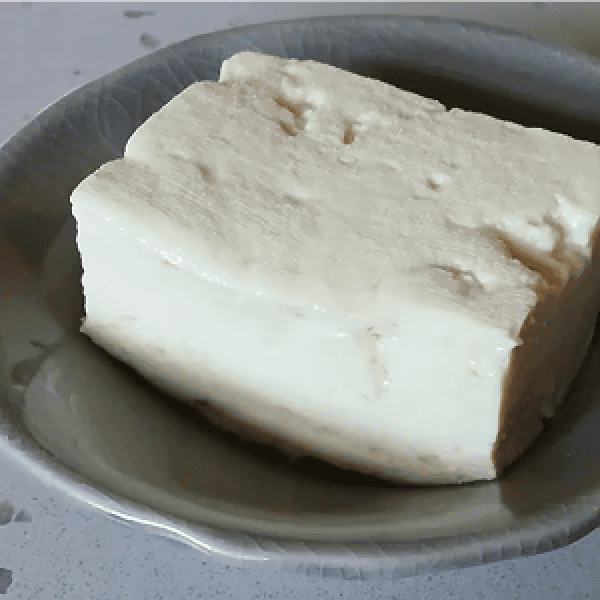
Tofu is made from soybean curds, which is naturally gluten-free and low in calories. It contains high-protein and is an excellent source of iron and calcium. It is often used as a meat substitute in vegetarian and vegan foods.
Tofu
Tofu is made from soybean curds, which is naturally gluten-free and low in calories. It contains high-protein and is an excellent source of iron and calcium. It is often used as a meat substitute in vegetarian and vegan foods.
Tofu
Tofu is made from soybean curds, which is naturally gluten-free and low in calories. It contains high-protein and is an excellent source of iron and calcium. It is often used as a meat substitute in vegetarian and vegan foods.
©︎ TORI'S NEST 2026